
Psychological Safety – The Key to Teams That Dare and Perform
Invisible barriers create real problems
Imagine a team that never disagrees. Everyone seems content.
But beneath the surface?
- Employees hesitate to challenge decisions.
- The best ideas are never tested.
- Innovation becomes something people talk about, but don’t actually do.
This is a team with low psychological safety – and it costs more than we think.
Amy Edmondson, professor at Harvard Business School, coined the term psychological safety. She defines it as a group environment where people feel safe to take interpersonal risks without fear of ridicule, punishment, or being ignored.
Research has shown that psychological safety is crucial for teams to perform at a high level. In Google’s Project Aristotle, it was identified as the single most important factor in a high-performing team. Edmondson’s studies have also shown that teams with high psychological safety are more innovative and better at handling change.
“Psychological safety is not about being nice. It’s about giving honest feedback, openly admitting mistakes, and learning from each other.” – Amy Edmondson
That’s why it’s essential for you as a leader to support and create conditions for psychological safety. By first understanding, Susan Wheelan’s IMGD model (Integrated Model of Group Development) and then combining it with the PERILL framework, we as leaders can more effectively build a safe culture that both supports and develops the team.
PERILL: A Framework for Team Development
The PERILL framework, developed by David Clutterbuck, is a model that helps teams understand and improve their effectiveness in complex environments. The model highlights six interconnected areas that influence a team’s ability to perform, adapt, and maintain long-term success:
- Purpose & Motivation – Clear goals, shared commitment, and a sense of meaning.
- External Processes & Systems – How the team interacts with the organization, stakeholders, and external influences.
- Relationships – Do team members trust and respect one another? Trust, collaboration, and psychological safety within the team.
- Internal Processes & Systems – How does the team collaborate functionally to balance responsibility and autonomy? Decision-making, workflows, communication, and operational effectiveness.
- Learning & Adaptation – The team’s ability to reflect, improve, and innovate to handle current and future tasks.
- Leadership – How do leadership traits and behaviors influence the other factors and team dynamics, positively or negatively?
As leaders, we need to work across all these areas – but how we do so depends on where the team is in its development.
PERILL shows that teams operate within an interconnected system, where weaknesses in one area affect the others.
IMGD: Team Development Stages and Psychological Safety
The IMGD model describes four stages of team development. It’s important to understand that teams don’t progress linearly – they can move back and forth depending on internal and external changes. A team that gets past Stage 2, however, often finds it easier to handle future challenges without losing psychological safety.
Below, we describe each stage and how you as a leader can work with PERILL to strengthen safety in your team.
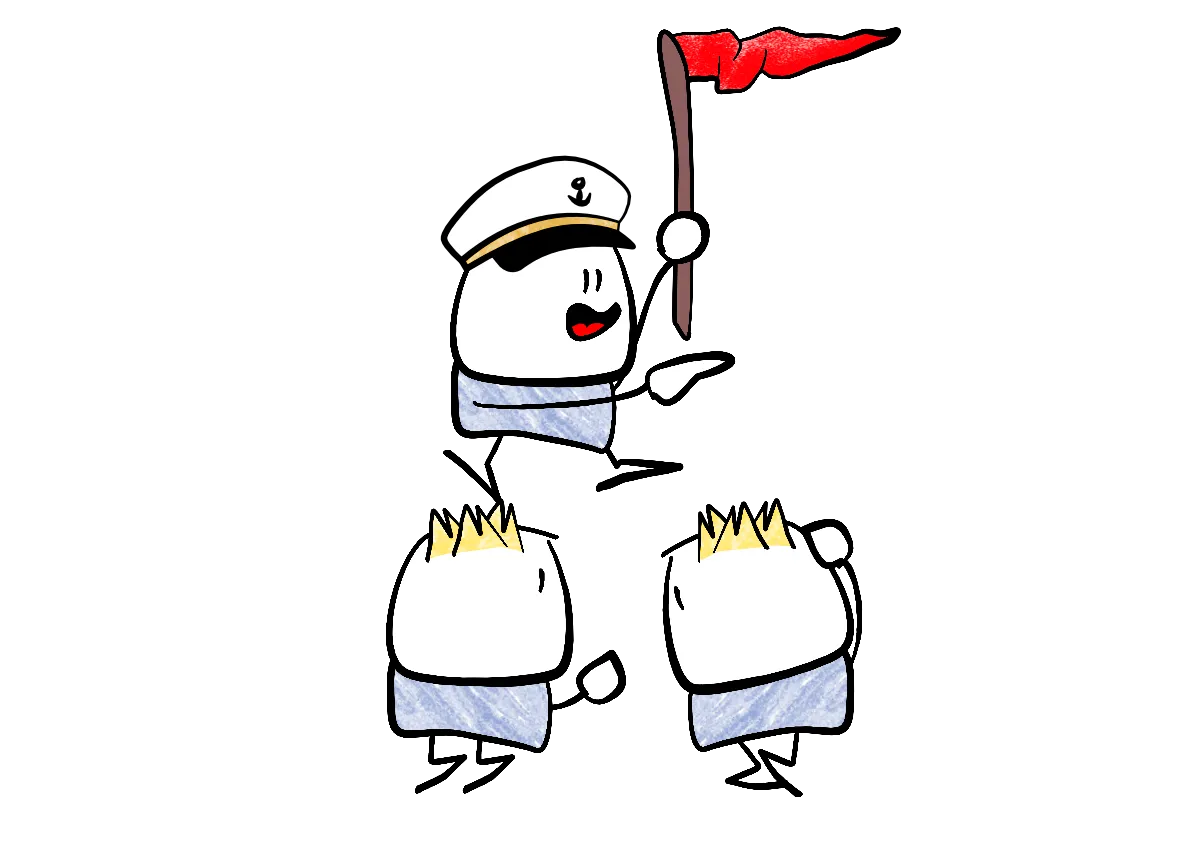
Stage 1: Inclusion and Safety
Stage 1: Inclusion and Safety
In the first stage, team members look for structure, roles, and security. Employees are often cautious and avoid disagreeing. As a leader, you need to be clear and create stability.
How you can work with PERILL as a leader:
- Purpose: Clarify the team’s purpose and create a shared direction.
- External Systems & Processes: Introduce external requirements and stakeholders in a way that doesn’t cause uncertainty.
- Relationships: Build trust by actively listening and encouraging openness.
- Internal Systems & Processes: Set clear ground rules – these can be renegotiated later as the team becomes more mature.
- Learning: Establish early reflection meetings where it feels safe to discuss.
- Leadership: Be a stable and clear leader who creates safety through predictability.
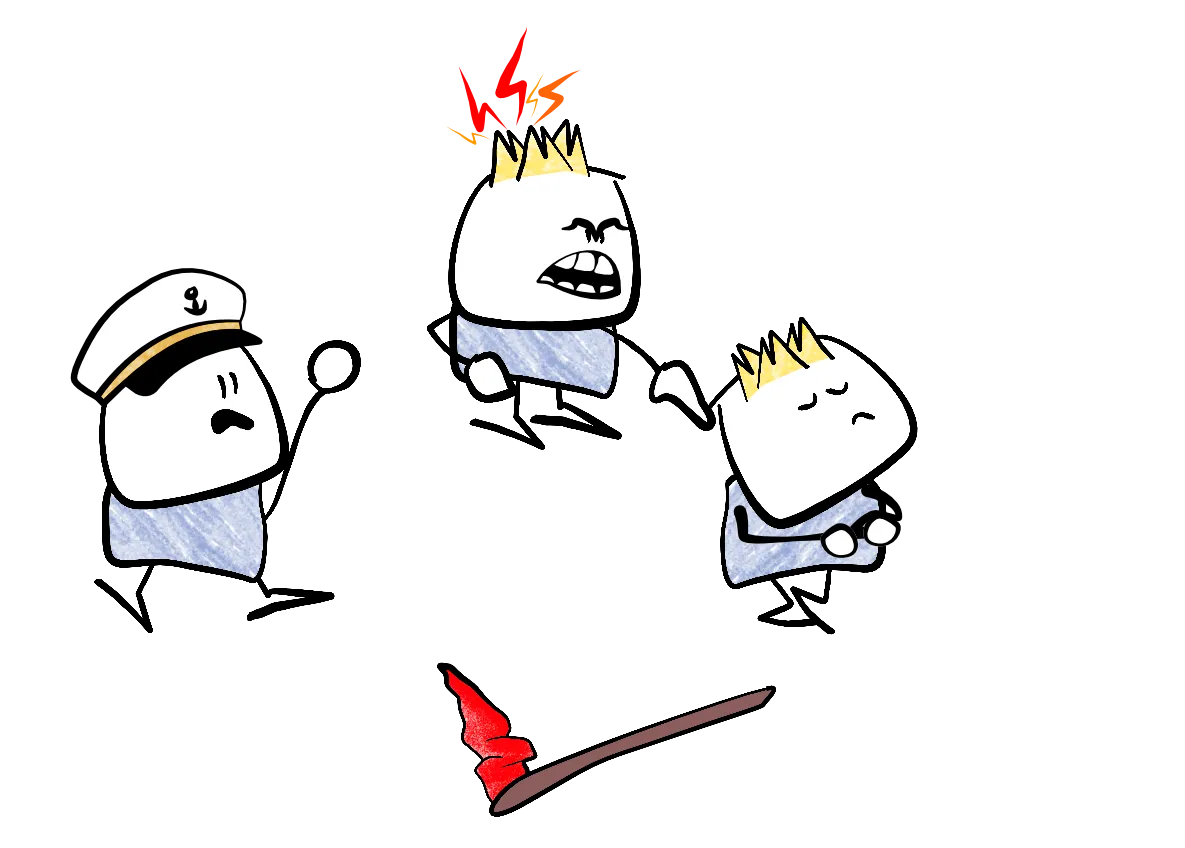
Stage 2: Opposition and Conflict
Stage 2: Opposition and Conflict
In this stage, team members begin testing boundaries and questioning both the leader and each other. This is a critical phase where your handling of conflict determines the team’s development. It may be tempting to revert to Stage 1 by tightening the structure, but it’s important to allow the team to work through the process.
How you can work with PERILL as a leader:
- Purpose: Remind the team of their purpose and that differing opinions can drive growth.
- External Systems & Processes: Help the team understand how external demands influence their conflicts.
- Relationships: Create structures for feedback and conflict resolution.
- Internal Systems & Processes: Let the team question processes, but retain decision rights where needed.
- Learning: Encourage reflection and learning from conflicts.
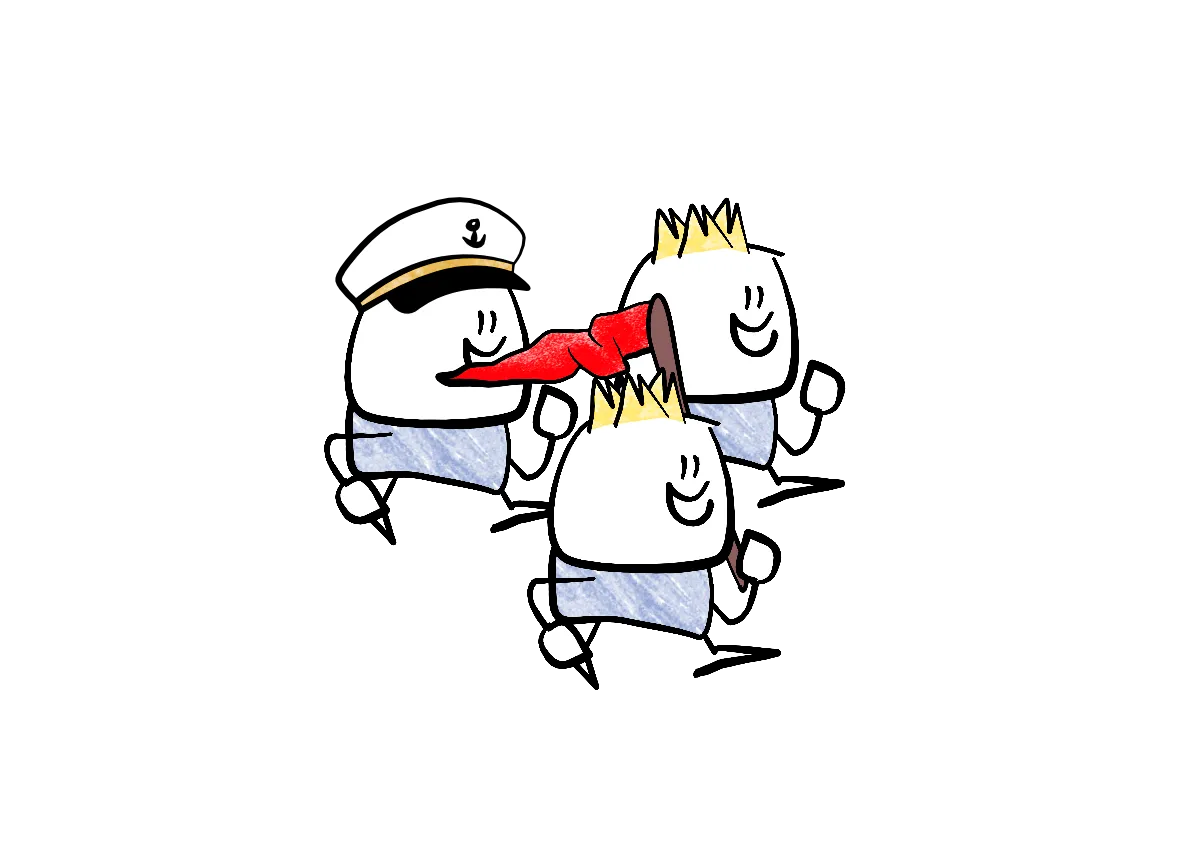
Stage 3: Trust and Structure
Stage 3: Trust and Structure
The team is now beginning to function in a stable and effective way. Psychological safety is high but still sensitive to changes.
How you can work with PERILL as a leader:
- Purpose: Involve the team in further developing their purpose.
- External Systems & Processes: Allow the team to take greater responsibility for external relationships.
- Relationships: Strengthen psychological safety by giving more autonomy.
- Internal Systems & Processes: Introduce consent-based decision-making where the team owns its own processes.
- Leadership: Shift from leading to coaching and guiding.
- Learning: Establish a culture of continuous learning and reflection.
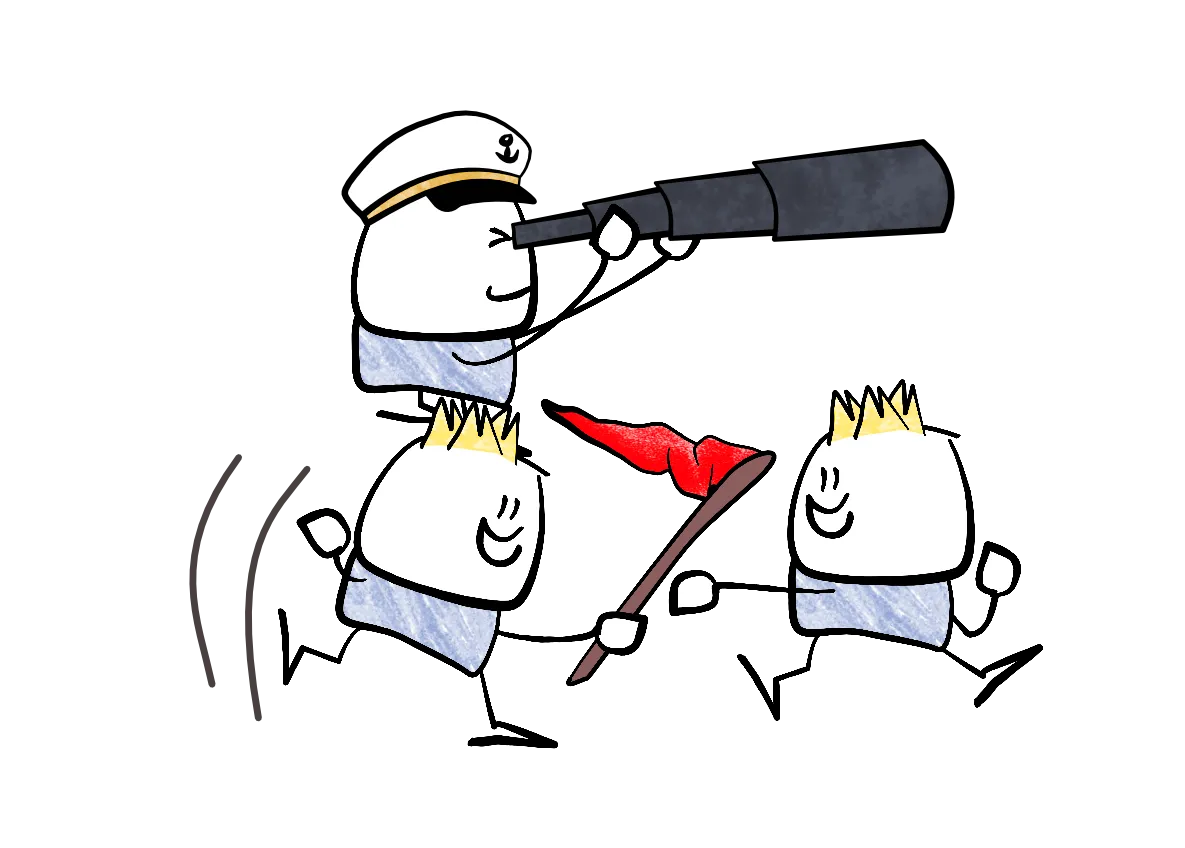
Stage 4: High-Performing Team
Stage 4: High-Performing Team
The team is now independent, flexible, and efficient. Leadership is often shared and decision-making is distributed.
How you can work with PERILL as a leader:
- Purpose: Let the team evaluate and update their purpose themselves.
- External Systems & Processes: Give the team full control over external relationships.
- Relationships: Support the team in managing relationships and conflicts independently.
- Internal Systems & Processes: Fully delegate decision-making to the team.
- Leadership: Act as a mentor rather than a decision-maker.
- Learning: Let the team identify improvement areas and experiment on their own.
Summary
How to support psychological safety is not static – it changes depending on where the team is in its development and what external factors are in play.
By combining IMGD to understand a team’s maturity and PERILL to analyze team dynamics, we as leaders can act more consciously and create the conditions for both safety and performance.
Want to learn more about how to work with psychological safety in your organization? Get in touch – we’ll help you navigate both people and processes to create sustainable, high-performing teams.
Want to know more? Contact us or read more about our services: